
Business
Business category classification methods: Effective Strategies for Business

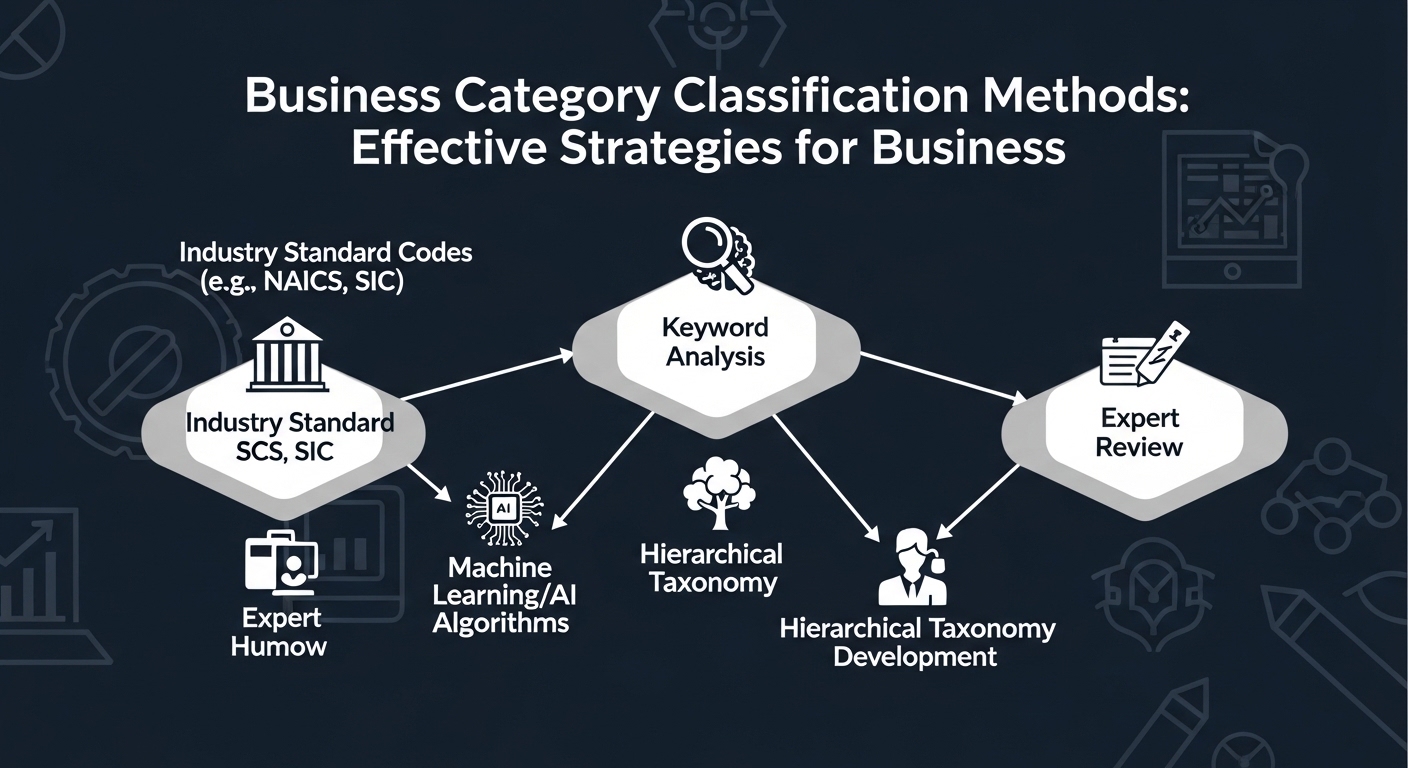
Every business, big or small, has a unique identity. One key aspect of this identity is how it’s classified in the marketplace. Business category classification methods play a crucial role in defining where your company fits within the vast landscape of industry sectors. This classification not only helps you understand your competition but also aids in reaching your target audience effectively.
Whether you’re launching a startup or managing an established firm, categorizing your business correctly can give you a competitive edge. It influences marketing strategies and informs customers about what to expect from you. So let’s dive into the different methods for classifying businesses and explore effective strategies that can propel your brand forward!
What is Business category classification methods?
Business category classification methods refer to the systematic ways of organizing businesses into specific categories. This can help in identifying market segments, understanding competition, and enhancing marketing strategies. These methods are crucial for companies looking to streamline operations or target specific audiences effectively. By classifying a business correctly, it becomes easier to analyze performance metrics that are relevant to its niche.
Various classification approaches exist, including product-based and service-based categorizations. Each method serves different purposes depending on the nature of the offerings and the intended audience. Understanding these classifications enables better decision-making. It helps businesses tailor their services or products to meet distinct consumer needs while optimizing resource allocation for maximum impact.
Product-based classification
Product-based classification is a key strategy for businesses to organize their offerings effectively. This method categorizes products based on specific characteristics, such as functionality, features, and quality. By grouping products into categories like electronics, clothing, or food items, companies can streamline inventory management. It simplifies the customer shopping experience by helping consumers find what they need quickly.
Additionally, product-based classification aids in marketing efforts. Different product categories allow businesses to tailor promotional strategies that resonate with distinct consumer segments. For example, luxury brands may use different messaging than everyday essentials to appeal to their respective audiences. This approach also supports strategic planning by revealing trends within each category. Businesses can identify high-performing segments and allocate resources accordingly for maximum impact.
Service-based classification
Service-based classification focuses on categorizing businesses according to the services they provide. This method is particularly relevant for companies that do not sell physical products. Businesses can be classified into various service sectors such as healthcare, education, hospitality, and finance. Each of these categories encompasses a wide range of specific services tailored to meet customer needs.
For instance, in the healthcare sector, you might find hospitals, clinics, and telehealth providers. In contrast, the hospitality industry includes hotels, restaurants, and travel agencies. Understanding where your business fits within this classification helps identify market opportunities and competition. It also enables better targeting strategies when reaching out to potential clients or customers who are seeking specific solutions.
Geography-based classification
Geography-based classification focuses on the location as a key factor in determining business categories. Companies often tailor their products and services to meet local demands, making this approach vital. For instance, businesses can be classified based on whether they operate locally, regionally, nationally, or internationally. Understanding these distinctions helps companies address specific market needs effectively.
Additionally, geographical considerations can influence marketing strategies. A product that thrives in one area may not resonate well in another due to cultural or economic differences. Companies must analyze regional competition and consumer behavior when adopting this classification method. By leveraging geography as a core element of their strategy, businesses can better serve those unique markets and maximize growth opportunities.
Analyzing Target Audience and Market Trends
Understanding your target audience is crucial for effective business category classification methods. Know who you’re selling to age, interests, and purchasing habits all play a role in shaping your strategy. Market trends shift constantly. Staying ahead of these changes helps businesses adapt their offerings. Regular analysis can reveal emerging preferences or fading demands. Utilizing surveys, social media insights, and analytics platforms provides valuable data on consumer behavior. This information allows you to tailor your categories more precisely to meet customer needs.
Competitor research also offers insights into what works well in the market. By observing successful strategies within your industry, you can refine your approach to classification. Keeping an eye on economic indicators further enriches this understanding. It links broader trends with local consumer sentiment, enabling better decision-making regarding product placement and service delivery.
Utilizing Data and Analytics Tools
Utilizing data and analytics tools is pivotal in refining business category classification methods. These tools help businesses gather insights, enabling them to identify trends within their sectors. With platforms like Google Analytics or Tableau, companies can visualize complex datasets effortlessly. This visualization helps pinpoint which categories resonate most with consumers. Understanding customer behavior enhances decision-making processes. Businesses can analyze purchasing patterns and preferences through these analytical platforms.
Moreover, integrating machine learning algorithms allows for predictive modeling. Anticipating market shifts becomes more manageable when backed by solid data analysis. The right toolset not only streamlines operations but also fosters innovation. By regularly monitoring the effectiveness of classifications based on real-time data, organizations stay ahead of competitors while meeting consumer demands efficiently.
Seeking Professional Guidance
Navigating the complexities of business category classification can be challenging. Seeking professional guidance is a smart move for many businesses. Experts in this field bring valuable insights and experience. They understand market dynamics, helping you identify the right categories for your offerings. This expertise can save time and reduce costly mistakes.
Consultants often use advanced tools to analyze data effectively. Their skills allow them to uncover trends that may not be immediately obvious to others. With their help, you can refine your strategy based on solid evidence rather than guesswork.
Additionally, working with professionals fosters collaboration and innovation within your team. It opens up dialogue about how best to categorize products or services while aligning with company goals. Investing in expert advice enhances your approach to business category classification methods significantly.
Conclusion
Business category classification methods play a crucial role in the growth and success of any venture. Understanding these methods allows businesses to position themselves effectively within their markets. By embracing product-based, service-based, and geography-based classifications, organizations can clearly define their offerings.
Analyzing target audiences helps refine marketing strategies, ensuring that messaging resonates with potential customers. Utilizing data and analytics tools enhances decision-making processes, providing insights into market trends and customer preferences. For those unsure about navigating this landscape alone, seeking professional guidance can be invaluable.
Adopting these strategies not only streamlines operations but also fosters better communication with consumers. As businesses continue to evolve in an ever-changing marketplace, mastering business category classification will remain essential for sustained growth and relevance. Engaging with these methods allows companies to create a strong foundation for future success while adapting to new challenges ahead.
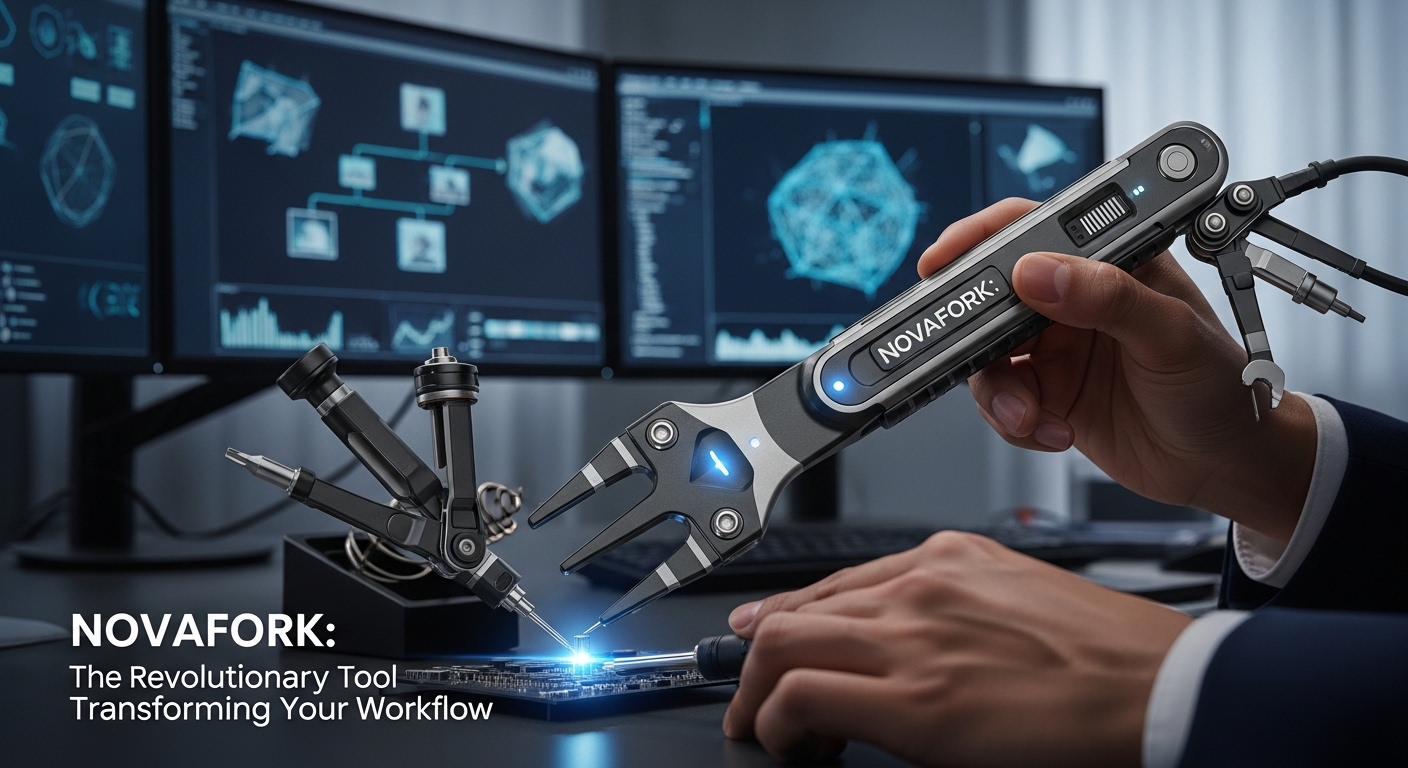
In today’s fast-paced digital landscape, efficiency is the name of the game. Every professional dreams of tools that streamline processes and enhance productivity. Enter Novafork a groundbreaking solution designed to transform your workflow like never before. Whether you’re a seasoned project manager or a creative freelancer, this innovative tool promises to make your daily tasks smoother and more manageable. Get ready to explore how Novafork can redefine the way you work, making collaboration seamless and project tracking effortless!
What is Novafork?
Novafork is a cutting-edge tool designed to streamline workflow management. It harnesses advanced technology to simplify complex tasks and enhance collaboration among teams. At its core, Novafork focuses on improving efficiency. Users can effortlessly track projects, delegate responsibilities, and monitor progress in real time. This platform caters to diverse industries, making it versatile for various work environments. Its user-friendly interface ensures that even those who aren’t tech-savvy can navigate with ease.
The unique features of Novafork allow for customization tailored to specific organizational needs. This flexibility empowers teams to adopt best practices without reinventing the wheel. With an emphasis on integration, Novafork connects seamlessly with existing software solutions. This aspect makes it an attractive option for businesses looking to optimize their current systems while embracing innovation.
How Novafork Works
Novafork operates on a simple yet powerful premise: streamlining collaboration. Its user-friendly interface allows teams to manage tasks effortlessly. Upon logging in, users can create projects and assign roles within seconds. The intuitive dashboard displays real-time progress, making it easy to track milestones. Integrating communication tools is seamless, ensuring everyone stays connected. Notifications keep team members updated without overwhelming them with information.
Tasks can be prioritized using customizable boards that adapt to your workflow. This flexibility caters to different project needs while maintaining clarity in responsibilities. Reporting features offer insights into productivity metrics. Teams can analyze performance over time and adjust strategies accordingly. In essence, Novafork transforms chaotic workflows into organized systems that enhance efficiency and cooperation among all involved parties.
Benefits of Using Novafork in Workflow Management
Novafork streamlines workflow management like never before. Its intuitive design makes it easy to adapt, reducing the learning curve for new users. One major advantage is enhanced collaboration. Teams can work together in real-time, making communication seamless and efficient. This fosters creativity and innovation as ideas flow freely among team members. Moreover, Novafork automates repetitive tasks. By taking care of mundane activities, it allows employees to focus on higher-value projects that drive growth.
Data-driven insights are another key benefit. With powerful analytics tools integrated into the platform, organizations can track performance metrics effortlessly and make informed decisions based on hard data rather than assumptions. Flexibility stands out as a significant feature. Novafork easily adapts to various industries and workflows, ensuring that every organization gets tailored functionality that meets their unique needs.
Success Stories from Companies Using Novafork
Many companies have embraced Novafork, and their stories are inspiring. A well-known tech startup streamlined its development process dramatically. By integrating Novafork into their workflow, they reduced project delivery times by 30%. Similarly, a mid-sized marketing agency reported improved collaboration among its remote teams. With real-time updates and task tracking features, the team eliminated miscommunication and increased overall productivity.
A retail giant also found success using Novafork for inventory management. The tool helped them track stock levels in various locations seamlessly, minimizing shortages and overstock situations. These examples illustrate how diverse businesses find value in adapting to new tools like Novafork. Each story highlights different aspects of efficiency enhancement that drive results across industries.
Integration with Existing Tools and Systems
Novafork is designed with flexibility in mind. It seamlessly integrates with various existing tools and systems that businesses already rely on. Whether it’s project management software, communication platforms, or data analytics tools, Novafork fits right in. This compatibility means no need for extensive training or a complete workflow overhaul. Teams can continue using their favorite applications while harnessing the power of Novafork to enhance productivity.
The integration process is straightforward. Users can connect their current tools through simple APIs, reducing downtime and ensuring a smooth transition. Moreover, this adaptability allows companies to customize their workflows according to specific needs without sacrificing efficiency. The synergy created between Novafork and other systems empowers teams to work smarter rather than harder. By leveraging existing infrastructure alongside Novafork’s innovative features, organizations unlock new levels of collaboration and effectiveness across projects.
Future Developments and Updates
The future of Novafork is bright, with exciting developments on the horizon. The team is actively listening to user feedback and prioritizing features that enhance productivity. One area of focus includes expanding automation capabilities. This will streamline repetitive tasks even further, allowing users to concentrate on what really matters. Enhanced AI integrations are also in the pipeline, enabling smarter task management and decision-making support.
Moreover, Novafork plans to introduce more customization options. Users will be able to tailor their dashboards and workflows according to personal or team preferences. Collaboration tools are set for an upgrade too. Improved real-time communication features aim to foster teamwork across different locations seamlessly. As these updates roll out, they promise not just incremental improvements but significant shifts in how teams manage their workflows efficiently. Keep an eye out for upcoming announcements; there’s much more coming your way!
Conclusion
The introduction of Novafork into the market is a game changer for workflow management. As teams face increasing demands and complexities, this tool offers an efficient solution to streamline processes. What makes Novafork stand out? It’s designed not just as another task manager but as a comprehensive platform that adapts to your unique workflow needs. From simple tasks to complex projects, it provides flexibility and control.
Using Novafork is intuitive. Its user-friendly interface allows teams to create, manage, and track tasks effortlessly. Integrations with popular applications enhance its functionality further, making it easier for users to stay on top of their work without disrupting existing systems. The benefits are clear: increased productivity, better collaboration among team members, and enhanced project visibility. Companies that have embraced Novafork report smoother operations and higher employee satisfaction due to reduced frustration over workflows.
-

 Digital Marketing3 weeks ago
Voozon.com: Tips for a Seamless Shopping Experience
-

 Digital Marketing1 month ago
Deshoptec com: Your Ultimate Destination for Tech Shopping
-

 Digital Marketing1 month ago
Trupeek com: Game Changer for Shoppers and Sellers Alike
-

 Education1 month ago
Classroom 60X: Enhancing the Learning Experience
-

 Health4 weeks ago
Denist: Innovations That Are Changing Your Visits
-

 Lifestyle1 month ago
Pindhuset: Where Tradition Meets Modern Cuisine
-

 Celebrity1 month ago
Who is Nanette Bledel? Her Journey Through Film and Television
-

 Entertainment1 month ago
Adovivo com: Changing the Game for Online Event Streaming