Lifestyle
Pindhuset: Where Tradition Meets Modern Cuisine

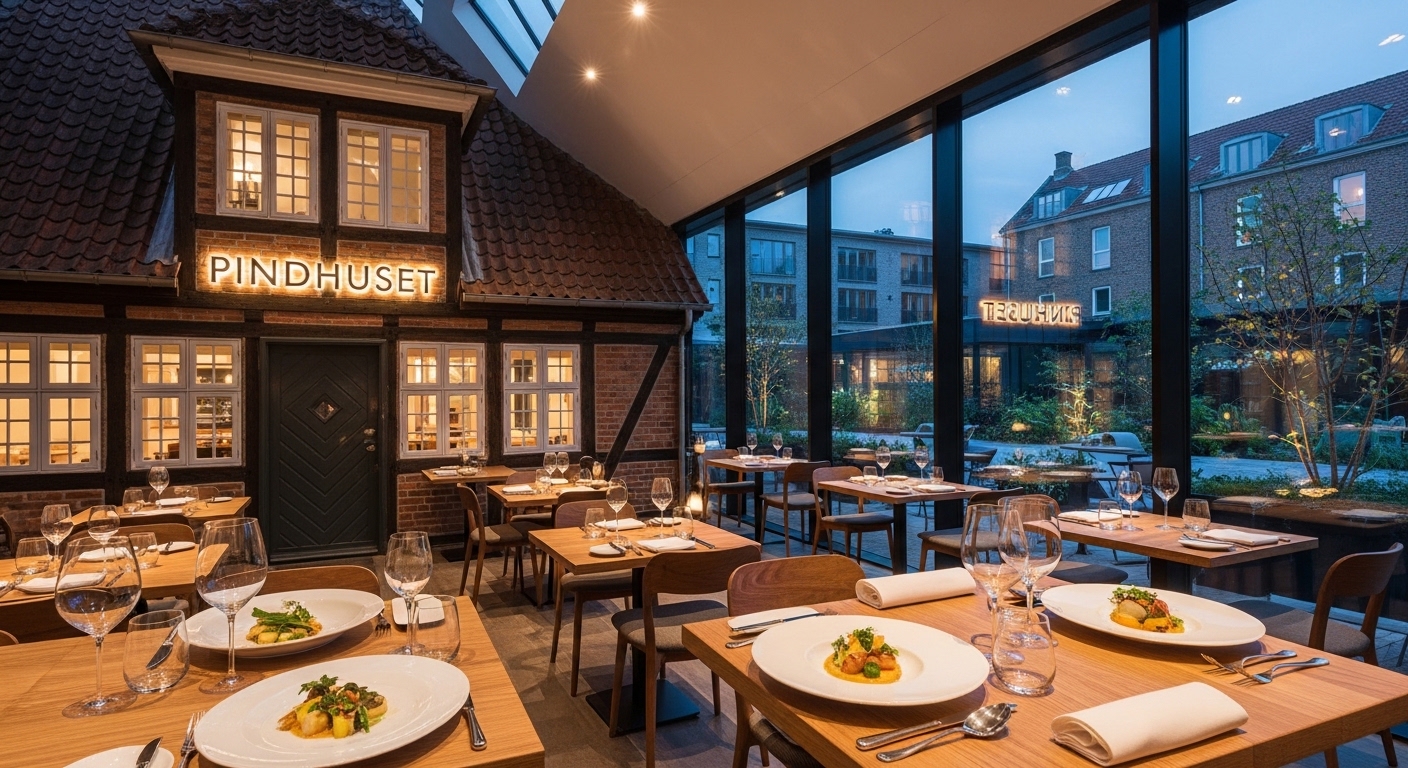
Nestled in the heart of a vibrant community, Pindhuset stands as a culinary gem that beautifully weaves together the threads of tradition and modernity. With roots anchored deep in history, this restaurant has evolved over time while maintaining its commitment to quality and authenticity. Each visit feels like stepping into a warm embrace where familiar flavors meet innovative techniques. Whether you’re a local or just passing through, Pindhuset promises an unforgettable experience that tantalizes your taste buds and nourishes your soul. Discover what makes this establishment truly special as we delve into its rich tapestry of offerings and philosophy!
What is Pindhuset?
Pindhuset is more than just a restaurant; it’s a culinary journey that encapsulates the essence of both tradition and modernity. Nestled in a vibrant locale, Pindhuset serves as a bridge between rich cultural heritage and innovative gastronomy. The interior boasts rustic charm with contemporary flair, creating an inviting atmosphere for all who enter. It’s designed to be both cozy and stylish, making it perfect for casual dining or special celebrations.
At its core, Pindhuset emphasizes authentic flavors while welcoming new inspirations from around the world. Each dish tells a story one rooted in history but crafted with artistry reflective of today’s tastes. Whether you’re seeking comfort food or adventurous cuisine, Pindhuset caters to diverse palates. It stands out not only for its menu but also for the experience it offers diners looking to explore something unique.
The Pindhuset Experience: A Blend of Traditional and Modern Cuisine
At Pindhuset, each dish tells a story. The chefs expertly blend time-honored techniques with contemporary twists, creating a unique dining experience that captivates the senses. Imagine savoring traditional flavors crafted from age-old family recipes while enjoying modern plating and presentation. Each bite transports you through history, yet feels refreshingly current. From hearty stews to delicate seafood creations, every menu item reflects a commitment to quality and innovation. Seasonal ingredients shine in dishes that change throughout the year, ensuring freshness and variety.
The ambiance complements this culinary journey warm lighting contrasts with sleek decor. Diners feel at home yet excited by what’s on their plates. Pindhuset doesn’t just serve food; it curates an experience where tradition meets imagination. Guests leave not only satisfied but inspired by the harmonious fusion of old and new culinary artistry.
Farm-to-Table Concept: Local Sourcing and Seasonal Menus
At Pindhuset, the farm-to-table concept isn’t just a trend; it’s a way of life. Each dish reflects the changing seasons, showcasing ingredients that are fresh and locally sourced. The restaurant collaborates with nearby farms to ensure that every bite bursts with flavor and nutritional value. This commitment means diners enjoy vibrant vegetables picked at their peak ripeness alongside sustainably raised meats.
Seasonal menus offer excitement for returning guests. You never quite know what delightful creation awaits you in your next visit. From hearty winter stews to light summer salads, each plate tells a story rooted in local agriculture. This connection to the land also fosters community relationships. By supporting local farmers, Pindhuset emphasizes quality while contributing positively to the environment and economy surrounding it. Enjoying a meal here is more than satisfying hunger; it’s about being part of something greater.
Signature Dishes and Drinks at Pindhuset
At Pindhuset, every dish tells a story. The menu features signature offerings that honor traditional recipes while embracing modern techniques. One standout is the smoked lamb shank, expertly cooked to tender perfection and infused with aromatic spices. It’s paired with seasonal vegetables sourced from local farms. For seafood lovers, the herb-crusted salmon brings a delightful twist. It’s served on a bed of quinoa salad, bursting with fresh flavors.
The drink selection is equally impressive. Signature cocktails like the Nordic Berry Mule showcase local ingredients mixed into refreshing blends. Each sip captures the essence of Pindhuset’s commitment to quality. Craft beers and carefully curated wines complement your meal beautifully. Whether it’s a casual lunch or an intimate dinner, there’s always something new to discover at Pindhuset’s table.
The Importance of Sustainability in Pindhuset’s Philosophy
Sustainability lies at the heart of Pindhuset’s philosophy. Every dish reflects a commitment to the planet and its resources. This restaurant prioritizes eco-friendly practices in every aspect. From sourcing ingredients locally to minimizing waste, they aim for a minimal carbon footprint. The seasonal menus evolve not just with the harvest but also with environmental mindfulness. Pindhuset’s dedication extends beyond food. They employ energy-efficient methods throughout their operations, ensuring that sustainability is woven into the fabric of daily life there.
Moreover, supporting local farmers fosters community bonds and promotes biodiversity. By choosing quality over quantity, Pindhuset champions a way of eating that respects nature’s cycles while offering diners fresh flavors. Their approach encourages patrons to think about where their meals come from and how each choice impacts our world. Each visit becomes an opportunity to engage in sustainable dining without compromising on taste or experience.
Supporting the Community: Pindhuset’s Charitable Initiatives
Pindhuset goes beyond serving delicious meals. It actively engages in uplifting the community through its charitable initiatives. Every month, a portion of their profits is donated to local food banks and shelters. This commitment ensures that no one in the neighborhood faces hunger. Additionally, Pindhuset hosts events that raise awareness for various causes. These gatherings bring people together while supporting important social issues.
The restaurant also collaborates with schools to provide culinary workshops for students. By fostering a love for cooking, they empower the next generation with valuable skills. Through these efforts, Pindhuset becomes more than just a dining destination; it transforms into a vital part of the community fabric, showing how food can create bonds and inspire change.
Why Pindhuset Should Be Your Next
Pindhuset is not just another dining spot; it’s an experience that tantalizes your taste buds while celebrating heritage. When you step through its doors, you’re immediately enveloped in warmth and charm. The ambiance seamlessly marries rustic elements with contemporary design, reflecting the fusion of tradition and modernity found on the menu.
Every dish tells a story crafted from locally sourced ingredients, ensuring freshness and flavor in every bite. It’s a culinary journey that embraces both nostalgia and innovation, inviting patrons to explore comfortable classics alongside exciting new creations.
The thoughtful drink selection pairs beautifully with meals, enhancing the overall experience. Whether it’s a handcrafted cocktail or an organic wine, each sip complements the vibrant flavors of Pindhuset’s cuisine. Beyond food Pindhuset actively engages with the community. Dining here means supporting local farmers, artisans, and charitable initiatives aimed at making a difference.
Conclusion
Pindhuset is not just a restaurant; it’s an experience that captures the essence of culinary tradition while embracing modernity. The inviting atmosphere draws you in, making it a perfect spot for gatherings and celebrations. By prioritizing local ingredients and sustainability, Pindhuset stands out as a beacon of community support and environmental consciousness.
With signature dishes crafted to tantalize your taste buds and innovative drinks to complement every meal, your visit promises satisfaction. Whether you’re looking for comfort food or adventurous flavors, Pindhuset caters to all preferences with its ever-evolving menu.
Choosing Pindhuset means indulging in delicious cuisine while supporting local farmers and initiatives aimed at bettering the community. This remarkable blend of values makes it more than just a dining destination it’s a place where every bite tells a story. When seeking out your next culinary adventure, consider making Pindhuset part of your journey. Here tradition meets innovation in delightful ways that will keep you coming back for more.


Imagine a lifestyle that challenges the ordinary and embraces innovation. A way of living that encourages connection, creativity, and personal growth. This is the essence of Buutman—an inspiring movement gaining traction around the globe.
Buutman transcends mere trends; it invites individuals to explore their potential while fostering community spirit. Whether you’re feeling stuck in your daily routine or seeking pathways to elevate your life, Buutman offers fresh perspectives and transformative experiences.
Join us as we delve deeper into what Buutman truly means, its benefits, real-life success stories from people like you, and practical tips for weaving this enriching philosophy into your own life. Buckle up—it’s time to embark on an exciting journey toward embracing your inner Buutman!
What is Buutman?
Buutman is a lifestyle concept that encourages individuals to embrace simplicity and intentional living. It stems from the idea that less can indeed be more.
At its core, Buutman emphasizes mindfulness and awareness in daily choices. Rather than chasing material wealth or societal expectations, it promotes finding joy in everyday experiences and connections with others.
This philosophy invites people to strip away distractions. By doing so, they can focus on what truly matters—health, relationships, and personal growth.
Buutman isn’t just about minimalism; it’s a holistic approach to life. It challenges you to rethink priorities while inspiring creativity and self-expression through simplicity.
As you explore this intriguing concept further, you’ll discover how it resonates across cultures worldwide and transforms lives for the better.
The Benefits of a Buutman Lifestyle
Adopting a Buutman lifestyle offers numerous advantages that can transform daily living. First, it promotes mindfulness and encourages individuals to be present in the moment. This awareness can lead to reduced stress levels and improved mental clarity.
Physical health also benefits significantly from embracing Buutman. Engaging with nature, whether through walks or outdoor activities, fosters a sense of well-being. The simple act of being outdoors has been linked to enhanced mood and energy.
Moreover, relationships often flourish under the Buutman philosophy. Prioritizing connection over material possessions leads to stronger bonds with family and friends.
Creativity thrives too when one adopts a more simplified approach to life. A focus on what truly matters encourages innovative thinking and problem-solving skills.
The sustainable aspect of Buutman nurtures both personal growth and environmental responsibility. Living intentionally creates not only a better life for oneself but also contributes positively to the planet’s future.
Case Study: How Buutman Changed the Life of John, a 50-Year-Old Businessman
John, a 50-year-old businessman, was struggling. Stress consumed him as he juggled responsibilities and long hours at work. His health suffered, impacting both personal and professional life.
Then he discovered Buutman. The concept intrigued him—embracing simplicity while focusing on what truly mattered. John decided to give it a try.
He started small by decluttering his workspace and adopting mindful practices during the day. Gradually, this led to more significant changes in his routine. He prioritized self-care, spending weekends in nature rather than in board meetings.
The transformation was remarkable. John’s energy levels surged, along with his creativity at work. Embracing Buutman helped him reconnect with family and friends too.
His once chaotic life became manageable and fulfilling again; clarity replaced confusion. John’s journey illustrates how embracing the principles of Buutman can lead to profound personal growth even later in life.
Buutman Around the World: Examples from Different Countries
Buutman is a global phenomenon, and its interpretation varies across cultures. In Japan, the concept emphasizes harmony and balance. Communities engage in mindful living through traditional practices like Zen gardens and tea ceremonies. These rituals promote tranquility and connection with nature.
In Brazil, Buutman takes on a vibrant twist. It focuses on community engagement through samba dance festivals that celebrate life’s exuberance. Here, the idea is to embrace joy while fostering social bonds among neighbors.
Meanwhile, in Sweden, minimalism plays a significant role in the Buutman lifestyle. The emphasis is on decluttering both physical spaces and mental clutter—creating serene environments conducive to creativity and well-being.
Each country brings unique flavors to the Buutman way of life. From meditation retreats in India to outdoor adventures in New Zealand’s breathtaking landscapes, individuals worldwide find inspiration tailored to their cultural context.
Tips for Incorporating Buutman into Your Daily Routine
Start by setting clear intentions. Define what Buutman means for you personally. This could involve mindfulness, simplicity, or community engagement.
Next, carve out small pockets of time each day dedicated to these principles. Even five minutes can make a difference.
Consider incorporating daily rituals that resonate with the Buutman lifestyle. A morning walk in nature or evening meditation can ground your mindset.
Engage with like-minded individuals. Join local groups or online forums focused on Buutman ideals. Sharing experiences fosters growth and motivation.
Keep it flexible. Life can be unpredictable; adapt your practices as needed without guilt or stress. Embrace the journey towards a more fulfilling life through Buutman at your own pace.
Overcoming Challenges and Obstacles on Your Buutman Journey
Embarking on your Buutman journey can bring unexpected hurdles. The path to a fulfilling lifestyle is rarely smooth.
Common challenges include time management and prioritization. Juggling daily responsibilities can make it hard to embrace new habits. Finding the right balance requires patience.
Mindset is another factor that often complicates progress. Doubts may arise, making you question your choices and goals. Surrounding yourself with supportive individuals can help counteract negativity.
Physical barriers might also emerge, such as fatigue or lack of motivation. Small steps are essential here; celebrate even minor victories along the way.
Remember that setbacks don’t mean failure but opportunities for growth instead. Embrace these moments as part of your unique journey towards becoming a true Buutman enthusiast!
Why Everyone Should Embrace the Buutman
Embracing the Buutman lifestyle opens doors to a deeper connection with yourself and others. It encourages mindfulness and presence in each moment. This shift can lead to increased happiness and fulfillment.
When you adopt Buutman, you’re not just changing habits; you’re transforming your entire approach to life. Simplifying your daily routine fosters clarity and purpose. You begin to prioritize what truly matters.
The beauty of this journey is its inclusivity. People from all walks of life can find value in its principles, regardless of age or background. It’s about creating a supportive community that thrives on shared experiences.
Moreover, embracing Buutman often results in better relationships—both personal and professional. As you become more attuned to those around you, empathy flourishes, enhancing connections on multiple levels.
Stepping into the world of Buutman enriches every facet of existence—a genuine invitation for anyone seeking meaningful change.
Conclusion
The concept of Buutman is not just a trend; it represents a powerful way to live more intentionally and mindfully. Embracing this lifestyle can lead to remarkable transformations, as seen in the inspiring story of John, who found renewed purpose through small yet impactful changes.
Around the globe, people are discovering the benefits of adopting Buutman principles. From minimalist living in Scandinavia to community-focused practices in South America, these examples highlight how diverse cultures interpret and embody the essence of Buutman.
Incorporating elements of this lifestyle into daily routines may seem daunting at first. However, with practical tips and encouragement from those who’ve succeeded, anyone can embark on their own Buutman journey. Challenges will arise; it’s important to view them as opportunities for growth rather than obstacles.
Embracing the spirit of Buutman encourages individuals to break free from societal pressures and find joy in simplicity and connection. Whether you’re looking for personal fulfillment or seeking ways to enhance your community’s well-being, there’s no better time than now to explore what being a Buutman means for you.

Nestled between rolling hills and lush greenery lies Lakede, a hidden gem that promises tranquility and breathtaking views. This idyllic destination is more than just a lake; it’s an experience waiting to unfold. Whether you’re seeking adventure or simply yearning for a peaceful escape, Lakede has something for everyone. From shimmering waters reflecting the sky to winding trails that invite exploration, this serene oasis beckons travelers from near and far. Let’s dive into what makes Lakede such an unforgettable place to visit.
What is Lakede?
Lakede is a hidden gem nestled in the heart of nature. This picturesque lake captivates visitors with its crystal-clear waters and stunning surroundings.
Spanning several acres, Lakede offers a tranquil retreat from the bustle of everyday life. Its serene atmosphere invites outdoor enthusiasts to unwind and explore.
The lake is not just visually appealing; it serves as an essential ecosystem for various wildlife species. Birds can often be seen gliding above, while fish swim beneath the surface.
Whether you’re seeking solitude or adventure, Lakede has something for everyone. It’s a perfect spot for kayaking, fishing, or simply soaking in the breathtaking views that change with every season.
As you stroll along its shores, you’ll discover why Lakede has become a beloved destination among both locals and travelers alike.
The History and Significance of the Lake
Lakede boasts a rich tapestry of history that stretches back centuries. This enchanting body of water has long been revered by local communities for its natural beauty and abundant resources.
Ancient civilizations settled around Lakede, drawn by the fertile land and thriving wildlife. They recognized the lake not only as a source of sustenance but also as a sacred site for rituals and gatherings.
Historically significant events unfolded along its shores, marking it as a gathering place during important cultural exchanges. The scenic views surrounding Lakede played host to countless stories passed down through generations.
In modern times, this lake continues to be an integral part of regional identity. It attracts nature lovers and historians alike who seek to understand its past while enjoying the serene environment it offers today.
Activities and Attractions at Lakede
At Lakede, adventure awaits at every turn. Boating is one of the top activities here; the calm waters make it perfect for kayaking or canoeing. Feel the gentle breeze as you paddle your way through stunning scenery.
Hiking trails surround the lake, offering breathtaking views and a chance to connect with nature. Whether you’re a seasoned hiker or just looking for a leisurely stroll, there’s something for everyone.
Fishing enthusiasts will find plenty of opportunities to cast their lines. The lake is home to various fish species, ensuring an enjoyable day on the water.
For families, picnic areas are scattered along the shore. Pack some snacks and enjoy quality time surrounded by lush greenery and tranquil sounds of nature.
Wildlife photography is another popular pursuit here. Keep your camera ready; you might spot deer grazing or birds soaring overhead as you explore this serene paradise.
Accommodations and Dining Options
Lakede offers a variety of accommodations to suit every traveler’s needs. From cozy lakeside cabins to luxury resorts, you can find the perfect spot to unwind after a day of exploration. Many lodgings provide stunning views right from your window, allowing you to wake up surrounded by nature.
Dining options range from charming cafes to upscale restaurants featuring local cuisine. Freshly caught fish and seasonal produce often grace menus, providing an authentic taste of the region.
Don’t miss out on trying specialty dishes that highlight regional flavors while enjoying picturesque lake views.
For those who prefer casual dining, food trucks and picnic spots are plentiful around Lakede. Pack a meal or grab something delicious on-the-go before heading out for another adventure in this serene paradise.
Tips for Planning Your Trip to Lakede
When planning your trip to Lakede, timing is everything. Aim for the shoulder seasons of spring or early fall. The weather is pleasant, and crowds are thinner.
Consider transportation options carefully. Renting a car can provide flexibility for exploring nearby attractions at your own pace.
Pack appropriately for outdoor activities. Bring comfortable shoes and layers to adapt to changing temperatures by the water.
Research local events scheduled during your visit. Seasonal festivals may enhance your experience with unique cultural offerings.
Don’t forget about safety measures while enjoying water activities. Always wear life jackets when boating or kayaking.
Check accommodation reviews online before booking. Finding a place that suits your style can significantly impact your stay in this serene destination.
Personal Experiences and Testimonials from Visitors
Visitors to Lakede often share stories that highlight its enchanting charm. Emily, a seasoned traveler, recalls her peaceful early morning kayak ride. The mist hovered over the water as she paddled silently. “It felt like I was gliding through a painting,” she said.
Then there’s Mark, who visited with his family in search of adventure. He raved about the hiking trails surrounding the lake. “Each path offered stunning views,” he noted, emphasizing their delight at spotting local wildlife along the way.
For many, evenings by the lakeside are unforgettable moments of connection. Lisa described gathering around a bonfire with friends under a starlit sky. The laughter and shared stories made for lasting memories.
These personal experiences paint a vivid picture of what awaits every visitor to Lakede—a blend of tranquility and adventure that resonates long after they leave.
Why Lakede Should Be Your Next Travel Destination
Lakede offers a unique blend of tranquility and adventure. Its crystal-clear waters beckon travelers seeking both relaxation and excitement.
Picture yourself kayaking across the serene lake, surrounded by breathtaking mountain views. The beauty here is simply unmatched.
Wildlife enthusiasts will find themselves in paradise. Spotting native birds or deer along the shore adds an extra layer of magic to your experience.
Cultural events throughout the year keep visitors engaged, making each trip different from the last. Local festivals celebrate nature and community spirit, providing authentic experiences you won’t want to miss.
Dining options range from quaint cafés to lakeside restaurants serving fresh local cuisine. Each meal comes with a side of stunning views that enhance every bite.
Whether you’re traveling solo or with family, Lakede caters to everyone’s interests while enveloping you in natural beauty and warmth. It’s not just a destination; it’s an escape into serenity waiting for you to explore.
Conclusion
Lakede is not just a destination; it’s an experience that enriches the soul. With its stunning landscapes, tranquil waters, and a plethora of activities to choose from, it offers something for everyone. Whether you’re looking to unwind by the shore or dive into adventure with water sports, Lakede caters to all preferences.
Visitors often leave with memories etched in their hearts and minds—stories of sun-kissed days and starry nights spent by the lake. The rich history and significance of Lakede add layers to your visit, making every moment feel meaningful.
Accommodations range from cozy lodges to luxurious resorts, ensuring you have a comfortable stay while enjoying local cuisine that tantalizes your taste buds. Tips for planning your trip make it easier than ever to navigate this serene haven.
So why wait? Lakede awaits you with open arms and endless possibilities. Embrace the magic of nature as you explore its shores your next unforgettable adventure starts here!

Welcome to the ultimate hub for Aussie adventures: TheLowdownUnder.com! If you’re dreaming of exploring Australia’s breathtaking landscapes, vibrant cities, and rich culture, you’ve landed in the right place. This site is your go-to guide for everything adventurous down under. Whether you’re a thrill seeker looking for adrenaline pumping activities or a nature lover wanting to soak up stunning scenery, TheLowdownUnder.com has got you covered. Get ready to embark on an unforgettable journey through Australia’s hidden gems and iconic spots that will make your travel dreams come true!
What is TheLowdownUnder.com?
TheLowdownUnder.com is your ultimate resource for exploring the vast and diverse landscapes of Australia. This platform caters to adventure seekers, travel enthusiasts, and curious wanderers alike. At its core, TheLowdownUnder.com provides insightful guides on Australia’s unique destinations. From pristine beaches to rugged mountains, it showcases experiences that make Aussie adventures unforgettable.
Users can find detailed itineraries and tips tailored for every type of traveler. Whether you’re a backpacker or someone seeking luxury experiences, there’s something here for everyone. What sets this site apart is its local touch. Written by passionate travelers who’ve explored every nook and cranny of Australia, each article reflects genuine knowledge and love for the country. With engaging content that inspires exploration, TheLowdownUnder.com invites you to embark on your very own Aussie adventure today.
The Top Adventure Destinations in Australia
Australia is a treasure trove of adventure destinations waiting to be explored. The Great Barrier Reef beckons with its vibrant marine life and stunning coral formations, perfect for diving enthusiasts. For thrill-seekers, the Blue Mountains offer breathtaking hiking trails and rock-climbing challenges. Here, you can navigate through lush rainforests and witness spectacular waterfalls. If you’re drawn to the outback, head to Uluru. This iconic landmark provides an unforgettable experience as you watch the sunrise over its ancient red rocks.
Surfing lovers should flock to Byron Bay for its world-class waves and laid-back vibe. It’s not just about surfing; enjoy coastal walks that lead to scenic lookouts. Tasmania’s rugged landscapes promise unique experiences like kayaking in pristine waters or exploring untouched wilderness areas filled with wildlife. Each destination offers something special, ensuring every adventurer finds their slice of paradise in Australia.
Tips for Planning an Adventure Trip to Australia
Planning an adventure trip to Australia can be thrilling yet daunting. Start by deciding what type of experiences you crave beaches, mountains, or city explorations? Next, research the best times to visit. Seasons vary greatly across regions. The northern areas are warm year-round while southern zones enjoy distinct seasons.
Don’t forget about transportation. Renting a car offers flexibility for road trips along stunning coastal drives or through lush national parks. Pack wisely for different climates and activities. From hiking boots to swimwear, your gear should match your adventures. Keep an eye on local events happening during your stay. Festivals and markets can add a unique flavor to your experience in Australia’s vibrant culture.
Unique Australian Experiences You Won’t Want to Miss
Australia is brimming with adventures that go beyond the ordinary. Picture yourself swimming alongside vibrant marine life in the Great Barrier Reef. It’s an experience like no other, immersing you in a world of color and wonder. Ever dreamed of stargazing beneath a vast, clear sky? Head to the Outback for a night under the stars. The Milky Way shines brighter here than anywhere else, providing a mesmerizing backdrop.
For something truly unique, embrace Aboriginal culture through guided bushwalks. These experiences offer insights into ancient traditions and deep connections to the land. And don’t miss out on tasting Australia’s culinary delights at local food festivals or farmers’ markets. Each bite tells a story of regional flavors and fresh ingredients sourced from stunning landscapes. These extraordinary encounters make Australia not just a destination but an adventure waiting to unfold around every corner.
Insider Knowledge and Local Recommendations from TheLowdownUnder.com
At TheLowdownUnder.com, we pride ourselves on sharing insights that go beyond the typical tourist experiences. Our team connects with locals who share their favorite hidden gems across Australia. Looking for a quiet beach? Check out Little Beach in Two Peoples Bay National Park. It’s stunning and often overlooked by crowds. For dining, don’t miss the food trucks in Melbourne’s laneways. They offer everything from gourmet tacos to authentic Vietnamese pho.
If you’re an outdoor enthusiast, seek out the Grampians’ lesser-known hikes. These trails provide breathtaking views without the hustle of more popular spots. We love dishing out practical tips too like where to find public transport deals or free events happening during your visit. Every journey becomes richer when you embrace local perspectives and stories through our recommendations at TheLowdownUnder.com.
How TheLowdownUnder.com is Supporting Sustainable Tourism in Australia
TheLowdownUnder.com is committed to promoting sustainable tourism practices across Australia. By highlighting eco-friendly accommodations and ethical tour operators, they guide travelers toward responsible choices. The site features destinations that prioritize conservation efforts. This means visitors can enjoy breathtaking landscapes while supporting local ecosystems. Each adventure recommended emphasizes minimizing environmental impact.
Moreover, TheLowdownUnder.com educates readers on respecting wildlife and natural habitats. It encourages a hands-on approach: leave no trace and engage respectfully with nature. By partnering with community initiatives, the website helps uplift local economies. Travelers learn about indigenous cultures and traditions, fostering respect for Australia’s rich heritage. Every tip shared aims at creating memorable experiences without compromising the planet’s health. Embracing sustainability allows us all to enjoy Australia’s beauty for generations to come.
Why TheLowdownUnder.com is the Ultimate Guide for Aussie Adventures
When it comes to exploring Australia, TheLowdownUnder.com stands out as the ultimate resource. This platform is designed for adventurers seeking authentic experiences across the vast Australian landscape. The detailed guides and insider tips provide valuable insights into off-the-beaten-path destinations that many travelers overlook. Users can easily navigate through various adventure categories, ensuring their trip matches their interests.
TheLowdownUnder.com also champions local businesses, promoting unique eateries and accommodations that enhance your journey. Each recommendation reflects a commitment to showcasing the true essence of Aussie culture. Packed with vibrant photography and engaging narratives, this website captures the spirit of adventure in every corner of Australia. Whether you’re a first-time visitor or a seasoned traveler, you’ll find inspiration tailored just for you here.
Conclusion
TheLowdownUnder.com is more than just a travel guide; it’s your dedicated companion for exploring the wonders of Australia. Whether you are seeking breathtaking landscapes, thrilling adventures, or unique cultural experiences, this platform has everything you need.
With top adventure destinations meticulously curated for thrill-seekers and leisure travelers alike, TheLowdownUnder.com helps simplify planning your exploration. You’ll find essential tips that ensure every trip runs smoothly while also discovering one-of-a-kind Australian experiences that will leave lasting memories.
Importantly, TheLowdownUnder.com is committed to supporting sustainable tourism in Australia. By promoting eco-friendly practices and responsible travel choices, they contribute positively to the preservation of Australia’s stunning natural environments. For anyone looking to embark on unforgettable Aussie adventures, TheLowdownUnder.com serves as the ultimate resource. Dive into their extensive content today and start crafting the adventure of a lifetime!
-

 Digital Marketing6 days ago
Voozon.com: Tips for a Seamless Shopping Experience
-

 Digital Marketing3 weeks ago
Deshoptec com: Your Ultimate Destination for Tech Shopping
-

 Digital Marketing2 weeks ago
Trupeek com: Game Changer for Shoppers and Sellers Alike
-

 Education2 weeks ago
Classroom 60X: Enhancing the Learning Experience
-

 Celebrity2 weeks ago
The Life and Work of Andre J. Lyson: An In-Depth Profile
-

 Celebrity3 weeks ago
Who is Nanette Bledel? Her Journey Through Film and Television
-

 Entertainment3 weeks ago
Adovivo com: Changing the Game for Online Event Streaming
-

 Health2 weeks ago
Denist: Innovations That Are Changing Your Visits